Finance and Sustainability: The Untold Story of How AI Makes It Work


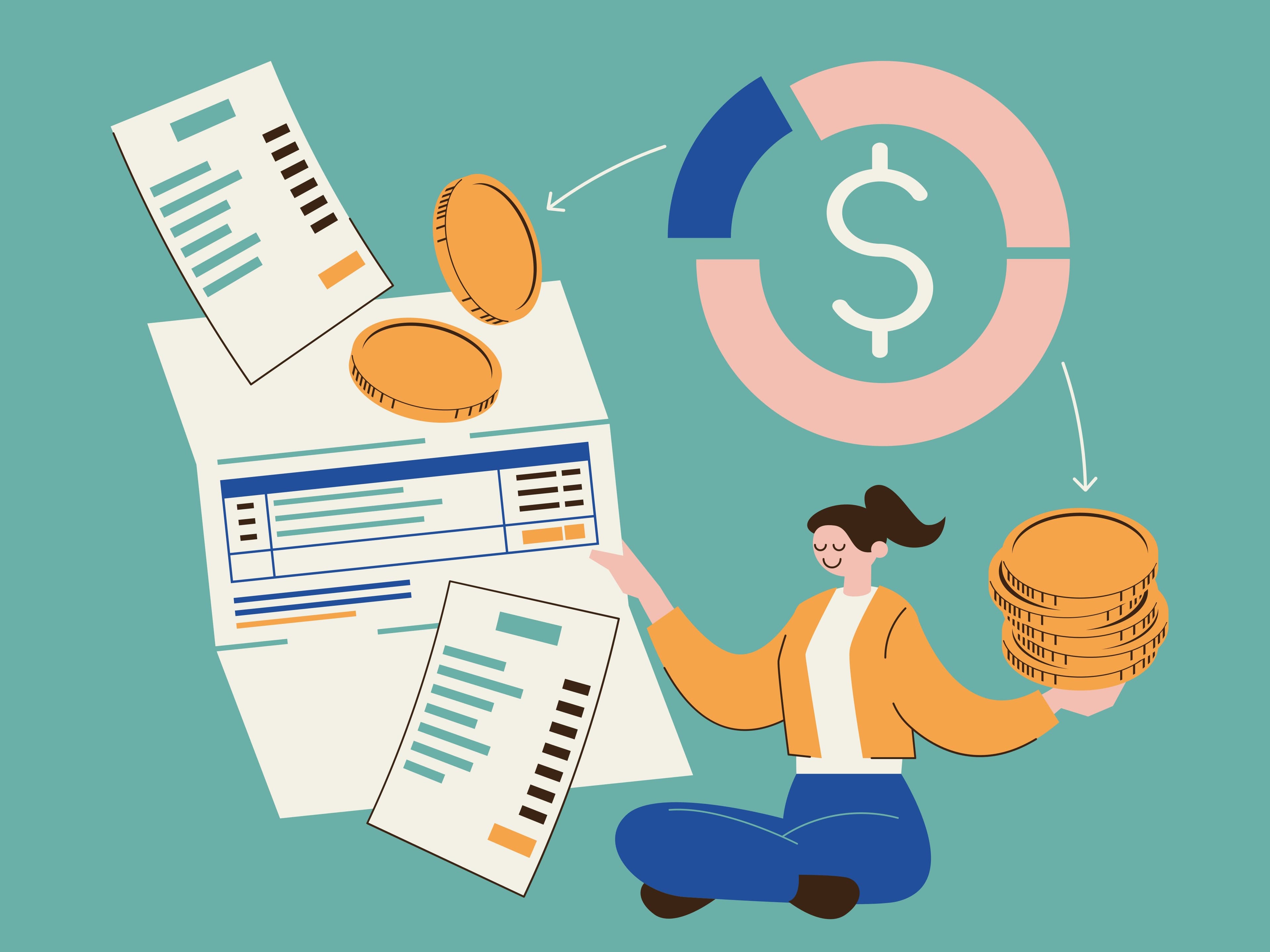
What if your finance team could cut costs, meet ESG goals, and build investor trust—all without adding more work? The era of separating financial performance from sustainability is over. Manual processes weren't built for green finance, but AI-powered automation is transforming finance teams from bottlenecks into sustainability drivers, making measurable impact not just possible, but effortless.
That's the promise of green finance and sustainable finance. Today, companies can no longer separate financial performance from environmental and social responsibility. Every decision about where money flows, investments, loans, and reporting is now tied to long-term sustainability.
The challenge? Finance systems were never built with this in mind. Manual reporting, paper-heavy invoicing, and complex compliance make it nearly impossible to deliver on these goals. This is where automation and AI finance tools step in, transforming finance from a bottleneck into a driver of sustainability.
Green and Sustainable Finance — The New Standard
Green finance channels money into projects that benefit the environment, renewable energy, sustainable infrastructure, and eco-conscious innovation. Sustainable finance expands the view to cover the full ESG spectrum, blending environmental, social, and governance priorities.
Together, they're reshaping how businesses grow. But ambition alone doesn't deliver results. Organizations need systems that make sustainable finance measurable, repeatable, and transparent. That's why companies are turning to smarter workflows that connect financial accuracy with sustainability outcomes.
Accounting and Sustainability — Where Promises Become Proof
Behind every bold sustainability claim sits an accounting team tasked with proving it. Accounting and sustainability are inseparable because real change must be tracked in numbers: emissions, energy savings, ESG disclosures.
Outdated processes slow this work down, creating risk and eroding credibility. Automated platforms change the equation. By linking accounting with ESG frameworks, businesses can report accurately and on time. For finance teams, this shift means sustainability stops being a burden and becomes part of the daily workflow.
AI Finance Tools — Making It Work
Technology is transforming finance at the exact moment sustainability has become essential. AI finance tools are the backbone of this change:
- Automated invoicing eliminates paper waste and speeds up payment cycles.
- Compliance monitoring ensures financial practices align with ESG rules.
- Fraud detection protects resources that can be reinvested in green initiatives.
- Carbon tracking links spending with measurable environmental outcomes.
This is not about replacing people, it's about giving finance teams the tools to do more with less. And it's here that solutions like JustPaid naturally step in, turning complexity into clarity.
Real-World Examples of Green Finance
Across industries, examples of green finance are already shaping the economy. Green bonds fund wind farms and solar projects. Sustainable loans reward businesses for hitting ESG targets. Entire green finance companies now exist to channel capital into climate resilience.
But raising capital is just the start. Managing it, reporting it, and proving its impact is where many organizations struggle. Modern platforms make it possible to track outcomes in real time, align them with reporting frameworks, and give investors confidence that their money is making a measurable difference.
Finance and Sustainability — A Shared Future
The connection between finance and sustainability is no longer optional. It is the foundation of how businesses will earn trust and stay competitive. Financial workflows now determine not just profit margins but also reputation, resilience, and long-term value.
Automation is the bridge. By embedding sustainability into daily processes, finance teams ensure that growth and responsibility move forward together. Tools like JustPaid are not the story but they are the enablers that make the story possible.
Turning Vision Into Action
The push for green finance and sustainable finance is rewriting the rules of business. Companies that can align financial performance with sustainability will win investor trust, regulatory approval, and customer loyalty. Those who can't will be left behind.
The good news? The tools already exist. With automation, AI-driven reporting, and smarter accounting, finance transforms from a reactive to a proactive approach. Platforms like JustPaid make it easier to reduce waste, automate compliance, and connect financial systems to sustainability outcomes.
The future of finance is here. It's smarter, more sustainable, and built for impact. The only question left is: who will step up and lead?
Get Started with JustPaid
Automate invoicing, streamline accounts receivable, and accelerate revenue with JustPaid. Compare JustPaid pricing plans or book a walkthrough.